Automotive clear coat is the unsung hero of your car’s paint job. It’s the final, transparent layer applied over the base coat (the colored paint) that provides protection and gives your vehicle that glossy, showroom-ready shine. Without it, your car’s paint would be vulnerable to the elements, scratches, and fading. Let’s dive deep into everything you need to know about automotive clear coat.
Table of Contents
- What is Automotive Clear Coat?
- Types of Automotive Clear Coat
- Application of Automotive Clear Coat
- Automotive Clear Coat Protection
- Common Automotive Clear Coat Problems
- Automotive Clear Coat Repair
- Maintaining Automotive Clear Coat
What is Automotive Clear Coat?
Automotive clear coat is a transparent coating applied over the base coat of a vehicle’s paint. Its primary purpose is to protect the colored paint from environmental damage like UV rays, acid rain, and road debris. It also enhances the paint’s gloss and depth, providing a smooth, durable, and visually appealing finish. This protective layer is crucial for maintaining the aesthetic and longevity of your car’s paint.


Clear coats consist of resins, solvents, and additives. The type of resin used significantly impacts the clear coat’s properties, such as durability, gloss, and UV resistance. Modern clear coats often incorporate UV absorbers and stabilizers to further enhance protection against sun damage. The solvents help with application and leveling, while additives can improve scratch resistance and flexibility.

Types of Automotive Clear Coat
There are several types of automotive clear coat available, each with its own characteristics and applications:

- Acrylic Lacquer Clear Coat: This is an older type of clear coat that was commonly used in the past. It’s relatively easy to apply and dries quickly, but it’s not as durable or chemical-resistant as newer options. It’s also more prone to scratching and fading.
- Acrylic Enamel Clear Coat: More durable than lacquer, acrylic enamel offers better resistance to chemicals and environmental factors. However, it still lacks the hardness and longevity of more advanced clear coats.
- Urethane Clear Coat: This is a popular choice for its good balance of durability, gloss, and ease of application. Urethane clear coats are more resistant to scratches, chips, and UV damage compared to acrylic options.
- Polyurethane Clear Coat: Offering enhanced flexibility and chemical resistance, polyurethane clear coats are often used in industrial applications and for vehicles that require a higher level of protection.
- Ceramic Clear Coat (Nano Clear Coat): The most advanced type, ceramic clear coat, contains nanoparticles that create an incredibly hard and durable finish. It offers superior scratch resistance, chemical resistance, and UV protection. While it is typically more expensive and requires professional application, the benefits make it worthwhile for those seeking the best possible protection.
Water-Based vs. Solvent-Based Automotive Clear Coats
Clear coats can also be categorized as water-based or solvent-based.
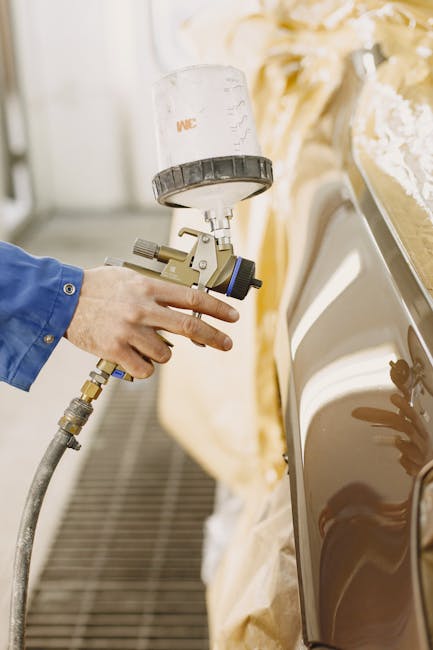
- Solvent-Based Clear Coats: These clear coats contain volatile organic compounds (VOCs) that evaporate during the drying process. They typically offer excellent durability and gloss but are subject to stricter environmental regulations due to VOC emissions.
- Water-Based Clear Coats: These clear coats use water as the primary solvent, resulting in lower VOC emissions. They are more environmentally friendly and are becoming increasingly popular as regulations tighten. While early water-based clear coats had some limitations in terms of durability and gloss, advancements in technology have significantly improved their performance.
Application of Automotive Clear Coat
Applying automotive clear coat requires careful preparation and technique to achieve a flawless finish. Here’s a general overview of the process:
- Surface Preparation: The base coat must be clean, dry, and free of any imperfections. Any blemishes will show through the clear coat. Sanding the base coat with fine-grit sandpaper may be necessary to ensure proper adhesion.
- Mixing: Clear coats typically come in two parts: the clear coat and a hardener. These must be mixed precisely according to the manufacturer’s instructions.
- Application: The clear coat is usually applied using a spray gun. Multiple thin coats are better than one thick coat to prevent runs and drips. Each coat should be allowed to flash (partially dry) before applying the next.
- Drying and Curing: After application, the clear coat needs to dry and cure. Drying refers to the evaporation of solvents, while curing involves the chemical reaction that hardens the clear coat. Curing times vary depending on the type of clear coat and environmental conditions.
- Finishing: Once fully cured, the clear coat may be wet-sanded and polished to remove any imperfections and enhance the gloss.

Automotive Clear Coat Protection
The primary function of automotive clear coat is to protect the underlying base coat. Here are some key benefits it provides:
- UV Protection: Clear coats contain UV absorbers that block harmful ultraviolet rays from the sun, preventing the base coat from fading and deteriorating.
- Scratch Resistance: While no clear coat is completely scratch-proof, they offer varying degrees of scratch resistance. Ceramic clear coats provide the highest level of protection against scratches and swirl marks.
- Chemical Resistance: Clear coats protect the base coat from chemicals like acid rain, bird droppings, and road salt, which can damage the paint.
- Gloss and Appearance: The clear coat enhances the gloss and depth of the paint, giving your car a showroom-quality shine.
Common Automotive Clear Coat Problems
Despite its protective qualities, automotive clear coat is susceptible to certain problems:
- Clear Coat Failure: This occurs when the clear coat deteriorates, leading to a dull, hazy, or peeling appearance. This can be caused by prolonged exposure to the sun, environmental contaminants, or improper maintenance.
- Scratching and Swirl Marks: Even the most durable clear coats can be scratched by improper washing techniques or abrasive materials. Swirl marks are fine, circular scratches that appear as a hazy pattern on the paint.
- Water Spots: Water spots are mineral deposits left behind when water evaporates on the clear coat. They can be difficult to remove and can etch into the clear coat if left untreated.
- Orange Peel: This refers to a textured, bumpy surface on the clear coat, resembling the skin of an orange. It’s usually caused by improper application techniques, such as spraying too much clear coat or using the wrong spray gun settings.
Automotive Clear Coat Repair
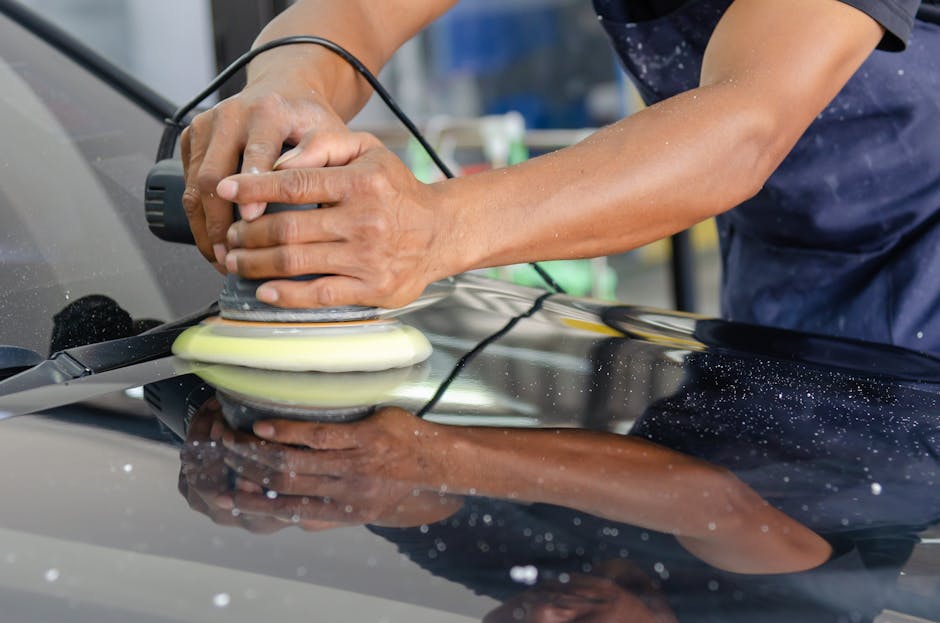
The repair process for damaged automotive clear coat depends on the severity of the damage. Minor scratches and swirl marks can often be removed with polishing compounds and a polishing machine. Deeper scratches and clear coat failure may require more extensive repairs, such as wet-sanding and re-clearing the affected area.
In some cases, it may be necessary to repaint the entire panel or even the entire car. Professional auto body shops have the tools and expertise to perform these repairs correctly. DIY repair kits are available, but they typically don’t provide the same level of results as professional repairs.
Maintaining Automotive Clear Coat
Proper maintenance is essential for preserving the appearance and longevity of your automotive clear coat. Here are some tips:
- Wash Your Car Regularly: Wash your car at least every two weeks to remove dirt, grime, and environmental contaminants. Use a pH-neutral car wash soap and a soft microfiber wash mitt.
- Dry Your Car Properly: Avoid air drying, as this can lead to water spots. Use a clean microfiber drying towel or a forced-air dryer to dry your car thoroughly.
- Wax or Seal Your Car: Apply a coat of wax or sealant every few months to protect the clear coat and enhance its gloss. Waxes and sealants create a barrier against UV rays, water, and contaminants.
- Avoid Abrasive Cleaners and Materials: Don’t use harsh chemicals or abrasive materials to clean your car, as they can scratch and damage the clear coat.
- Park in the Shade: When possible, park your car in the shade to protect it from the sun’s harmful UV rays.
- Consider Paint Protection Film (PPF): For maximum protection, consider applying paint protection film (PPF) to your car. PPF is a transparent film that provides a physical barrier against scratches, chips, and other damage.

By understanding the importance of automotive clear coat and following these maintenance tips, you can keep your car looking its best for years to come. It’s a crucial element in preserving your vehicle’s value and aesthetic appeal.