Automotive tinted windows are a popular aftermarket modification, offering numerous benefits to drivers and passengers. But is it worth the investment? This guide will delve into the world of window tinting, exploring its advantages, disadvantages, types, legal considerations, and installation options, so you can make an informed decision.

Table of Contents
- Benefits of Automotive Tinted Windows
- Drawbacks of Automotive Tinted Windows
- Types of Automotive Window Tint
- Legality of Automotive Tinted Windows
- Cost of Automotive Window Tinting
- Professional vs. DIY Installation
- Maintaining Your Tinted Windows
- Frequently Asked Questions
Benefits of Automotive Tinted Windows
Automotive tinted windows provide several key advantages:
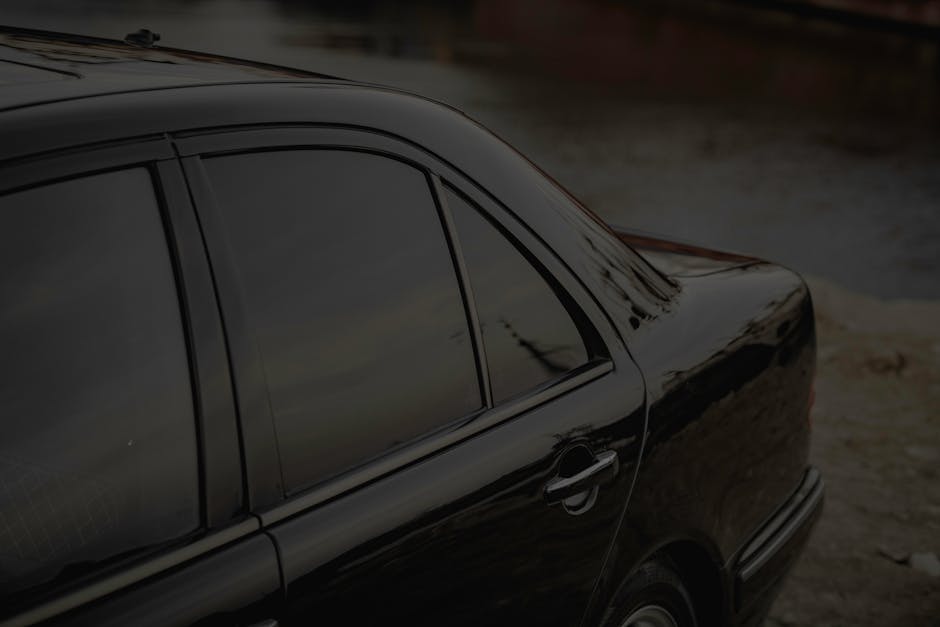
- Reduced Heat: Tinting blocks solar heat, keeping your car cooler in hot weather.
- UV Protection: Most tints block up to 99% of harmful UV rays, protecting your skin and the car’s interior.
- Glare Reduction: Tinted windows minimize glare from the sun and headlights, improving visibility and driving safety.
- Enhanced Privacy: Tinting makes it harder for people to see inside your car, deterring theft and providing privacy.
- Improved Aesthetics: Tinted windows can give your car a sleek and stylish look.

Drawbacks of Automotive Tinted Windows
While there are many positives, automotive tinted windows also have potential downsides:
- Reduced Night Visibility: Dark tints can make it harder to see at night, especially in poorly lit areas.
- Legality Issues: Many states have laws regulating the darkness of window tint. Illegal tint levels can result in fines or removal. Check your local laws here.
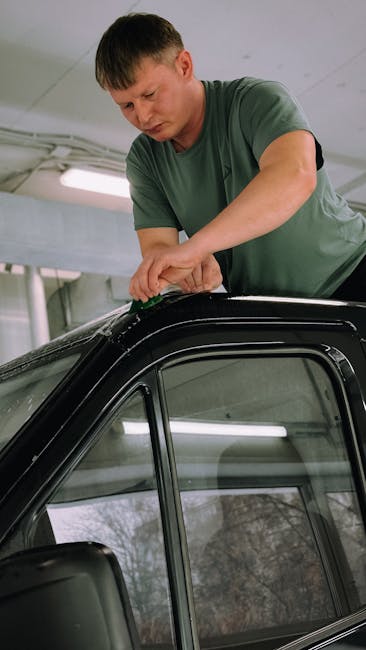
- Installation Problems: Improper installation can lead to bubbles, peeling, and discoloration.
- Cost: Quality tint and professional installation can be expensive.
- Potential for Damage: Some cleaning products can damage tinted windows.
Types of Automotive Window Tint
Several types of automotive window tint are available, each with its own properties and price point:

- Dyed Window Film: The most affordable option, dyed film absorbs solar heat. However, it’s less effective than other types and can fade over time.
- Metalized Window Film: Contains metallic particles that reflect solar heat. It’s more durable than dyed film but can interfere with electronic signals (GPS, phone).
- Carbon Window Film: Uses carbon particles to block heat and UV rays. It offers good heat rejection without interfering with electronic signals.
- Ceramic Window Film: The highest quality and most expensive option. Ceramic film offers superior heat rejection, UV protection, and glare reduction without affecting electronic signals.
- Crystalline Window Film: This multilayer optical film rejects more heat than many darker films, with no metal, keeping you connected.
Legality of Automotive Tinted Windows
Window tint laws vary by state. These laws typically specify the Visible Light Transmittance (VLT) percentage, which indicates how much light can pass through the tinted window. It’s crucial to understand and comply with your local laws to avoid fines or having to remove the tint. This website provides state-by-state information on tint laws.

Key Legal Considerations for Automotive Tinted Windows
When considering automotive tinted windows, keep these points in mind:

- VLT Percentage: Know the legal VLT limits for your state for each window (front, side, rear).
- Reflectivity: Some states restrict the reflectivity of window tint.
- Certification: Ensure the tint you choose is certified and meets legal requirements.
Cost of Automotive Window Tinting
The cost of automotive window tinting depends on several factors:
- Type of Film: Ceramic film is generally more expensive than dyed film.
- Vehicle Size: Larger vehicles require more film, increasing the cost.
- Installation: Professional installation costs more than DIY kits.
- Location: Prices can vary depending on your geographic location.
Expect to pay anywhere from $100 to $800 or more for professional window tinting, depending on the factors mentioned above.
Professional vs. DIY Installation
You can choose to have your automotive tinted windows professionally installed or attempt a DIY installation.

Professional Installation
Professional installation offers several advantages:
- Expertise: Professionals have the experience and skills to install tint flawlessly.
- Warranty: Many professional installers offer warranties on their work.
- Quality Materials: Professionals typically use high-quality films.
DIY Installation
DIY installation can save you money, but it also comes with risks:
- Difficulty: Installing tint properly requires patience and skill.
- Potential for Errors: Bubbles, creases, and peeling are common problems with DIY installation.
- Lower Quality: DIY kits often use lower-quality films.
For best results, especially with higher-quality films, professional installation is recommended.
Maintaining Your Tinted Windows
Proper maintenance will help prolong the life of your automotive tinted windows:
- Wait Before Cleaning: Allow the tint to cure for several days before cleaning.
- Use a Soft Cloth: Use a soft, microfiber cloth to avoid scratching the tint.
- Avoid Harsh Cleaners: Use a mild, ammonia-free window cleaner.
- Don’t Use Abrasive Materials: Avoid using abrasive cleaners or scouring pads.
Frequently Asked Questions
Q: What is the darkest legal tint?
A: The darkest legal tint varies by state. Check your local laws for specific VLT percentages.
Q: Can I install window tint myself?
A: Yes, but professional installation is recommended for best results.
Q: How long does window tint last?
A: The lifespan of window tint depends on the type of film and maintenance. Quality tints can last for 5-10 years or longer.
Q: Does window tint prevent fading?
A: Yes, window tint blocks UV rays, which are a major cause of fading.
Q: Does automotive window tinting reduce heat?
A: Yes, most automotive window tints are designed to reduce heat significantly.