Table of Contents
- Why You Need a Sports Guide
- Mastering Popular Team Sports
- Excelling in Individual Sports
- Essential Equipment for Every Athlete
- Training and Nutrition Fundamentals
- The Mental Aspect of Athletics
- How to Choose Your Perfect Sport
Welcome to the most comprehensive sports guide ever compiled. Whether you are a weekend warrior, a curious beginner, or a seasoned athlete looking to refine your skills, understanding the nuances of various athletic disciplines is crucial for success. In this guide, we will break down the mechanics, strategies, and equipment needed to excel in the world of sports.
Why You Need a Comprehensive Sports Guide
Entering the world of athletics without a proper sports guide is like navigating a new city without a map. A well-structured guide provides you with the framework needed to understand complex rules, avoid common injuries, and improve your overall performance efficiently. By following expert advice, you can shorten your learning curve and start enjoying the physical and mental benefits of your chosen activity sooner.
Mastering Popular Team Sports
Team sports are excellent for building camaraderie and communication skills. Here are the core components of the world’s most popular games:
Soccer (Association Football)
Soccer is the world’s most popular sport. To master it, you must focus on ball control, passing accuracy, and spatial awareness. Understanding the offside rule is a fundamental part of any soccer-focused sports guide. For official rules, you can visit the FIFA official website.
Basketball
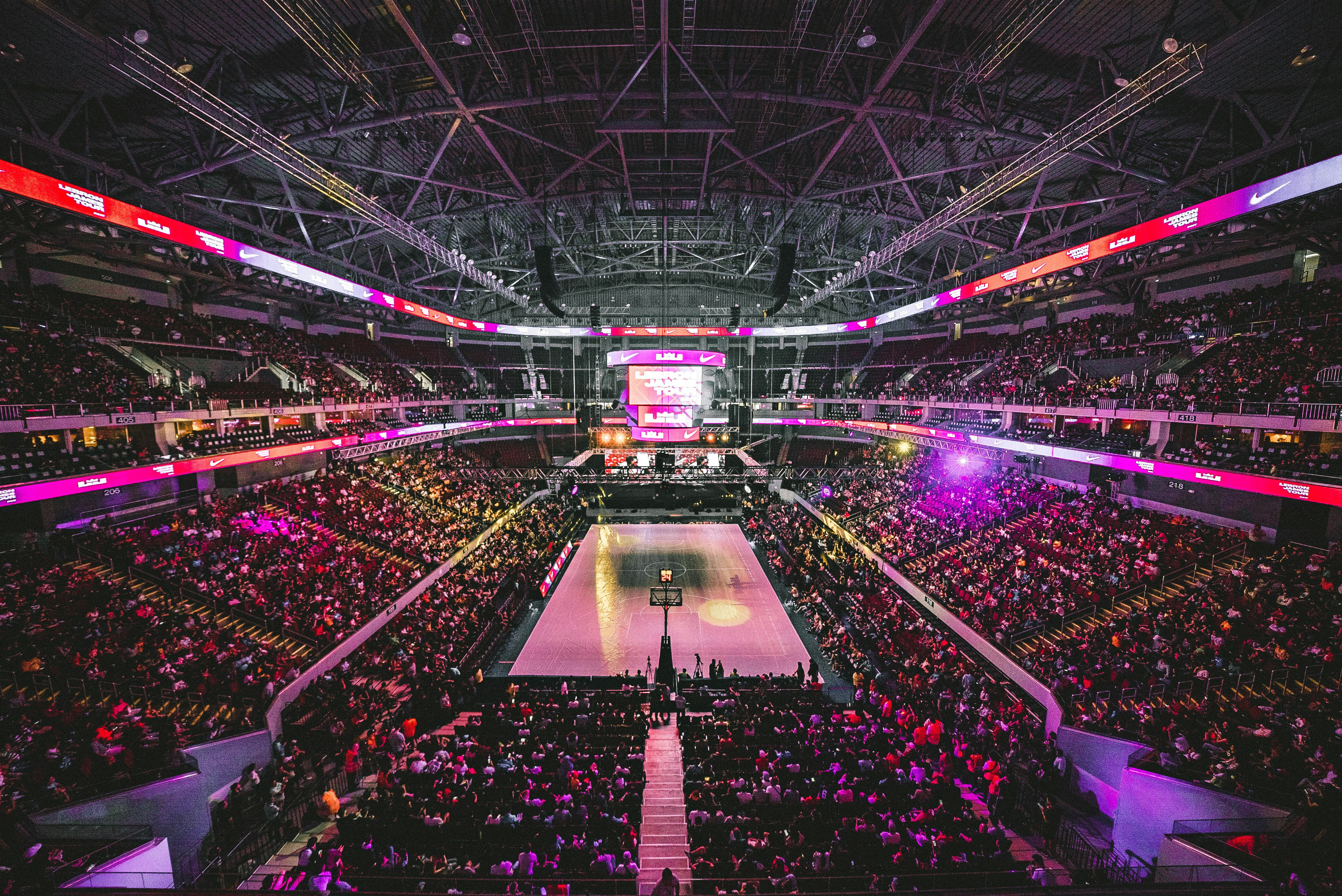
Success in basketball relies on a combination of cardiovascular endurance and hand-eye coordination. Key skills include dribbling, shooting form, and defensive positioning. Check out our internal fitness guide to build the explosive power needed for the court.
American Football
This high-impact sport requires strategic thinking and specialized roles. From the quarterback to the linemen, every player must understand their specific assignments within the team’s playbook.
Excelling in Individual Sports
Individual sports place the spotlight entirely on your personal performance and discipline. These are perfect for those who prefer self-reliance.
Tennis
Tennis is a game of angles and stamina. A basic sports guide for tennis would emphasize the importance of the serve and the ability to maintain focus during long rallies. Footwork is perhaps the most underrated aspect of becoming a great tennis player.
Swimming
Swimming is a full-body workout that is easy on the joints. Mastering the four competitive strokes—freestyle, backstroke, breaststroke, and butterfly—requires technical precision and rhythmic breathing.
Essential Equipment for Every Athlete
No sports guide is complete without discussing the tools of the trade. Using the wrong equipment can lead to poor performance and even injury.
- Footwear: Always choose shoes specifically designed for your sport (e.g., cleats for grass, court shoes for hardwood).
- Protective Gear: Helmets, pads, and mouthguards are non-negotiable in contact sports.
- Apparel: Moisture-wicking fabrics help regulate body temperature and prevent chafing during intense sessions.
Training and Nutrition Fundamentals
To perform at your peak, your body needs the right fuel. A holistic sports guide must address what happens off the field as much as what happens on it.
Hydration
Dehydration can lead to a significant drop in athletic performance. Aim to drink water consistently throughout the day, not just during your workout.
Macronutrients
Athletes require a balance of carbohydrates for energy, proteins for muscle repair, and healthy fats for hormone regulation. Timing your meals around your training sessions can optimize recovery times.
The Mental Aspect of Athletics
Sports are often 90% mental. Developing a winning mindset involves visualization, goal setting, and resilience. Every professional sports guide highlights that the ability to bounce back from a loss is what defines a true champion. Techniques like mindfulness and meditation are increasingly used by elite athletes to maintain composure under pressure.
How to Choose Your Perfect Sport
If you haven’t found your niche yet, consider the following factors:
- Physical Interest: Do you prefer sprinting or endurance?
- Social Preference: Do you like working in a team or going solo?
- Time Commitment: Some sports require hours of practice daily, while others are more casual.
In conclusion, this sports guide serves as your foundation for a healthier, more active lifestyle. By understanding the rules, gear, and mindset required, you are well on your way to becoming the best athlete you can be. Don’t be afraid to try new things and push your limits!
📷 Photo by RDNE Stock project on Pexels
Frequently Asked Questions
What is the best way to start a new sport as an adult?
The best way to start is by consulting a sports guide to understand the basics, then finding a local community club or beginner class. Start slowly to avoid injury and focus on learning the fundamental techniques first.
How often should I train according to a professional sports guide?
Most experts recommend at least 150 minutes of moderate aerobic activity or 75 minutes of vigorous activity per week, supplemented by strength training twice a week. However, this varies depending on the specific sport and your fitness level.
Does this sports guide cover injury prevention?
Yes, we emphasize the use of proper equipment, warming up, and listening to your body’s signals. Proper technique is the most effective way to prevent long-term athletic injuries.